Basement Flooding Cleanup in Elmhurst, NY
Most Elmhurst houses and apartment buildings keep the boiler, the water heater, the laundry and years of storage in the cellar, which is exactly where water collects. The restoration team pumps it out, sorts what can be saved and dries the block walls and slab to a measured goal.
(888) 527-9860Water in the cellar? Call now- Cellar pump-out
- Block wall and slab drying
- Category 3 protocol
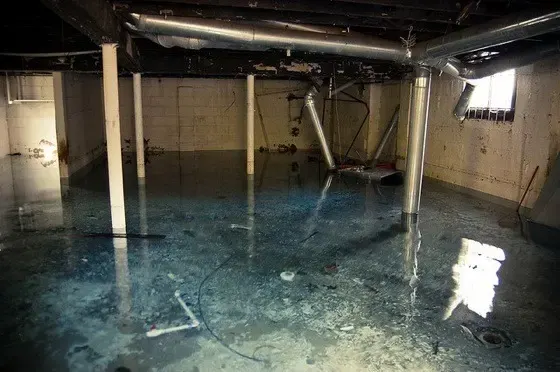
Basement Flooding Cleanup at a glance
What to do the moment you find a flooded cellar
- Stay off the stairs if power is on
Water near a boiler, washer or outlets is dangerous until power is off.
- Shut the main
The main valve is usually on the street side of the cellar where the service line comes in.
- Note the source
Floor drain, stairwell, water heater or a pipe: it changes how the water is handled.
- Photograph storage
Take photos of boxes and furniture before moving anything for the claim file.
A flooded cellar in Elmhurst usually comes from one of four places: the floor drain during a cloudburst, storm water down the exterior stairs, a failed water heater, or a split pipe along the ceiling. The mitigation team starts by naming the source, because a clean supply line and a floor drain backup are handled very differently.
What does basement flooding cleanup cost in Elmhurst, NY?
In Elmhurst, NY, basement flooding cleanup typically runs $1,500 to $12,000. Clean water in an unfinished cellar sits at the low end; sewage, storm water and finished basements with drywall and flooring land at the high end.
Unfinished cellar, clean water
$1,500 to $3,500
- Pump-out and extraction
- Block wall and slab drying
- Daily readings
Partly finished basement
$3,500 to $7,500
- Flood cuts and insulation out
- Flooring removal
- Structural drying
Floor drain or storm water
$7,500 to $12,000+
- Category 3 protocol
- Containment and HEPA
- EPA-registered antimicrobial
Drivers: the water category, the square footage, the material class and how fast drying started. For a planning range, try the water damage cost calculator.
Pump-out and sorting
The extraction crew removes the standing water first, then the team sorts the contents. Cardboard boxes, rugs and upholstered furniture soak up water quickly and usually move out of the cellar to stop the damage spreading. Photos of everything go into the claim file before anything is thrown away.
- Clean water: most solid items are cleaned and dried.
- Gray water from a washer or heater: soft items are judged one by one.
- Floor drain or storm water: porous items are discarded.
Drying block walls and slabs
Elmhurst cellars are mostly concrete block and poured slab, and both hold a lot of water. The drying team runs LGR dehumidifiers and air movers aimed at the lower walls, and adds desiccant dehumidifiers for dense Class 4 materials when the readings stall. Equipment stays until the walls and slab read dry against a reference, which often takes longer than the room looks.
When the basement is finished
If the cellar has paneling, drywall or carpet, the team makes flood cuts above the water line so the wall cavity can dry, and removes wet insulation. A lived-in unit needs more care, which is covered on the basement apartment flooding page. If the water came up the floor drain, the sewage backup cleanup protocol applies.
The NYC Department of Environmental Protection explains how the city sewer system works and what property owners can do about backups. The EPA guidance on mold cleanup covers why fast drying matters for health.
How basement flooding cleanup is handled in Elmhurst
- 1
Safety and source
The response team checks power, gas and the boiler area, then confirms the source of the water.
- 2
Pump-out and contents
The extraction crew removes the water and moves soaked storage out of the cellar.
- 3
Cut, clean and treat
The mitigation team makes flood cuts where needed and treats Category 2 or 3 areas with an EPA-registered antimicrobial.
- 4
Dry and verify
The drying team dries block, slab and framing and logs readings until the goal is met.
Basement flooding cleanup questions
01Why does my cellar flood when it rains hard?
In a cloudburst, the combined sewer can fill faster than it drains, and water backs up through the lowest opening, often the cellar floor drain. Clogged stairwell drains let storm water in from outside too.
02Is cellar water always contaminated?
No. A burst supply pipe is clean water. Floor drain backups and outside storm water are Category 3 and are handled as contaminated.
03Can the boiler be turned back on right away?
Not until it has been checked. Water around a burner or controls can cause damage or a safety problem, so a heating technician should inspect it first.
04How long does a cellar take to dry?
An unfinished cellar with clean water often dries in three to five days. Block walls, a thick slab or contaminated water can add several days.
05What happens to things stored in the cellar?
Solid items are cleaned and dried when the water was clean. Porous items touched by sewage or storm water are photographed for the claim and discarded.
06Does homeowners insurance cover cellar flooding?
It depends on the source and the policy. Burst pipes are often covered; sewer backup usually needs a rider; outside flood water needs flood insurance. It is worth checking with your own insurer.
Related water damage services in Elmhurst
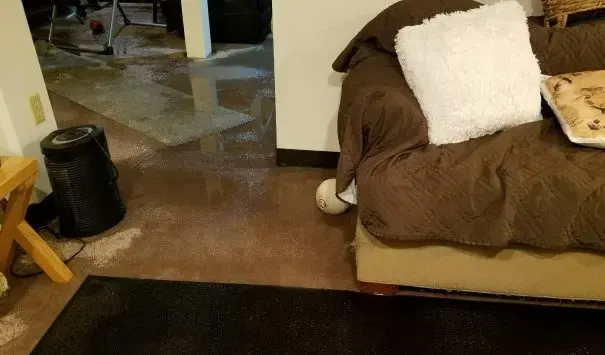 Basement Apartment FloodingSee the service
 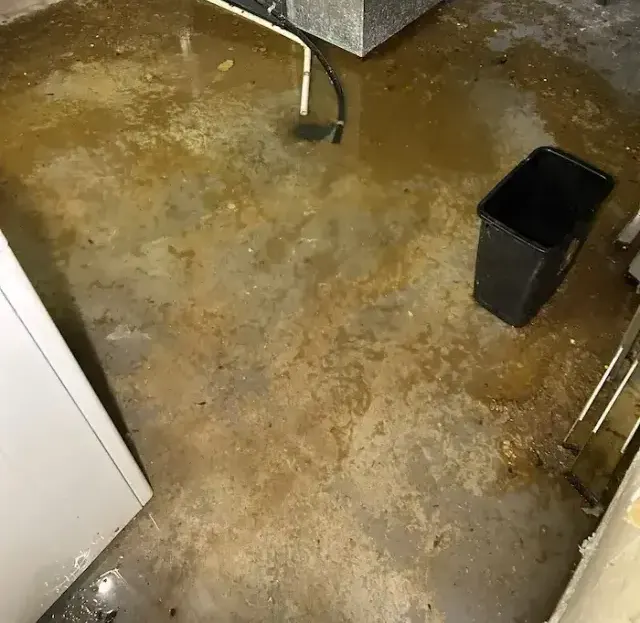 Sewage Backup CleanupSee the service
 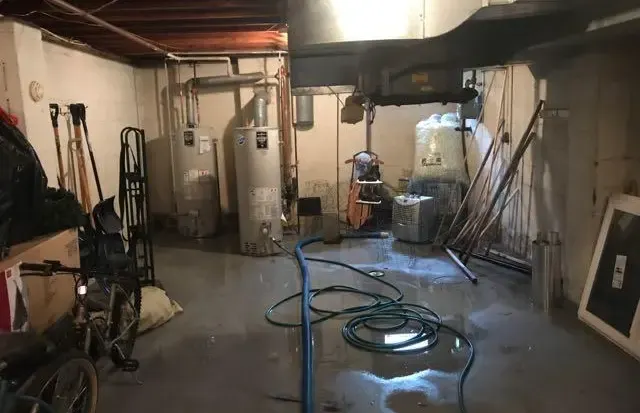 Water Heater Leak CleanupSee the service
 Service area: Elmhurst, Queens
The Elmhurst restoration crew covers Elmhurst itself, from Broadway and Whitney Avenue to Queens Boulevard and Grand Avenue, with Jackson Heights, Corona, Rego Park, Maspeth, Middle Village and Woodside close by.
Every section and ZIP coveredA flooded cellar in Elmhurst? Call now.
The restoration team pumps out the cellar, sorts what can be saved and dries walls and slab to a measured goal.