Burst Pipe Water Damage in Elmhurst, NY
A pipe that splits inside a plaster wall can push water through two or three floors before anyone sees it. The restoration team extracts what is standing, finds where the water traveled with meters and thermal imaging, and dries the walls and floors it reached.
(888) 527-9860Pipe burst? Call the Elmhurst crew- Clean water, caught early
- Thermal imaging and meters
- Wall cavity drying
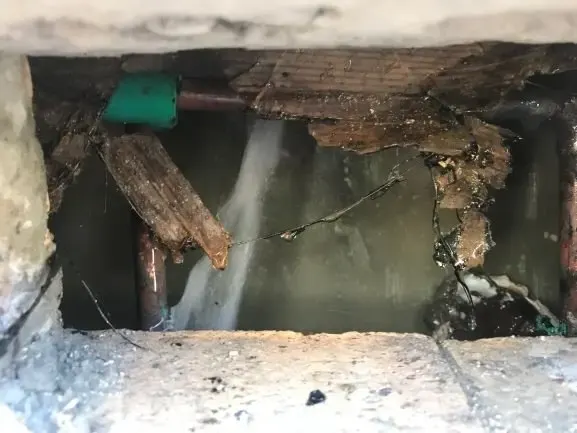
Burst Pipe Water Damage at a glance
What to do the moment you find a burst pipe
- Close the valve
Shut the fixture valve or the main. In apartment buildings, the super may need to shut a riser.
- Kill wet circuits
Switch off breakers for rooms where water reached outlets or fixtures, if the panel is dry.
- Catch and move
Put buckets under drips and move furniture and rugs out of the water.
- Call a plumber and a drying team
The plumber repairs the pipe; the drying team handles the water that already escaped.
Many Elmhurst homes and apartment buildings date from the 1920s to the 1960s, and some still carry original galvanized steel supply pipes or thin early copper. Galvanized pipe rusts from the inside, and old joints and fittings give way with age, pressure changes or a hard freeze. The failure often happens inside a plaster wall or above a ceiling, out of sight.
What does burst pipe water damage cost in Elmhurst, NY?
In Elmhurst, NY, burst pipe water damage cleanup typically runs $1,200 to $9,000. The drivers are how long the pipe ran, how many rooms and floors got wet, whether walls and ceilings must be opened, and the drying time.
Caught early, one room
$1,200 to $2,800
- Extraction
- Drying in place
- Daily readings
Walls or ceilings opened
$2,800 to $6,000
- Small wall or ceiling openings
- Cavity drying
- Floor drying
Several rooms or floors
$6,000 to $9,000+
- Multi-floor extraction
- Structural drying
- Full claim documentation
Drivers: the water category, the square footage, the material class and how fast drying started. For a planning range, try the water damage cost calculator.
Finding where the water went
Water from a burst pipe runs along pipes, joists and the top of plaster until it finds a way down. The tech who does the walkthrough follows it with thermal imaging and pinless meters, room by room and floor by floor, and marks the moisture map. That map shows which walls need small openings and which can be dried through the surface.
Opening walls only where needed
Plaster and lath hold water longer than drywall, so the mitigation team may drill small holes or remove a strip at the base of a wall to get air into the cavity. The goal is to dry the structure, not to tear out more than the water reached. Wet insulation is removed, because it rarely dries on its own.
- Clean water caught early often dries in place.
- Water that sat for days can turn Category 2 and changes what is saved.
- Oak strip floors are dried with mats and air movers before they cup.
Drying and documentation
The drying team sets LGR dehumidifiers and air movers and records readings daily until every wet material meets the dry reference. Timestamped photos, the moisture map and the drying logs go into the claim file. A sudden and accidental pipe burst is often covered after the deductible, but coverage depends on the policy.
Pipes that burst in winter are covered on the frozen pipe water damage page. For moisture and health basics, see the EPA moisture and mold overview. Building owners can find rules for plumbing work from the NYC Department of Buildings.
How burst pipe cleanup is handled in Elmhurst
- 1
Stop and secure
The response team confirms the pipe is shut off and checks electrical safety.
- 2
Extract
The extraction crew removes standing water from every affected room and floor.
- 3
Map and open
The tech who does the walkthrough maps moisture and the team opens walls only where the map calls for it.
- 4
Dry and verify
The drying team dries cavities, floors and ceilings and logs readings until the goal is met.
Burst pipe water damage questions
01Why do old pipes burst in Elmhurst buildings?
Galvanized steel rusts from the inside and old copper thins over decades. Joints, fittings and pipes in exterior walls also fail during freezes or pressure changes.
02Does the whole wall have to come out?
Usually not. Small openings or a strip at the base of the wall let the cavity dry. The moisture map decides where openings are needed.
03Can hardwood floors be saved after a pipe burst?
Often, if drying starts quickly. Oak strip floors are dried with floor mats and air movers before the boards cup.
04Is burst pipe damage covered by insurance?
A sudden and accidental burst is often covered after the deductible. Slow leaks over time usually are not. It is worth checking with your own insurer.
05How long does drying take after a pipe burst?
A contained Class 1 loss usually dries in three to five days. Plaster, oak floors and multi-floor losses take longer.
06Who fixes the pipe itself?
A plumber repairs or replaces the pipe. The restoration team handles the water that escaped and the drying.
Related water damage services in Elmhurst
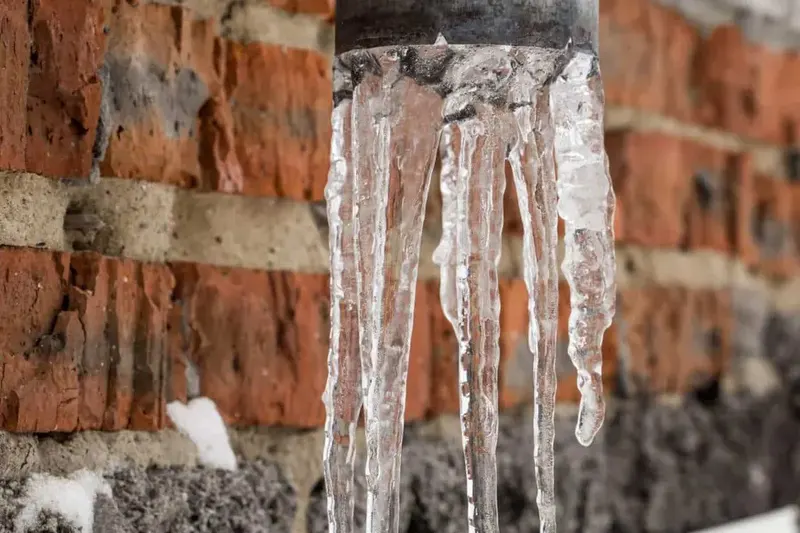 Frozen Pipe Water DamageSee the service
 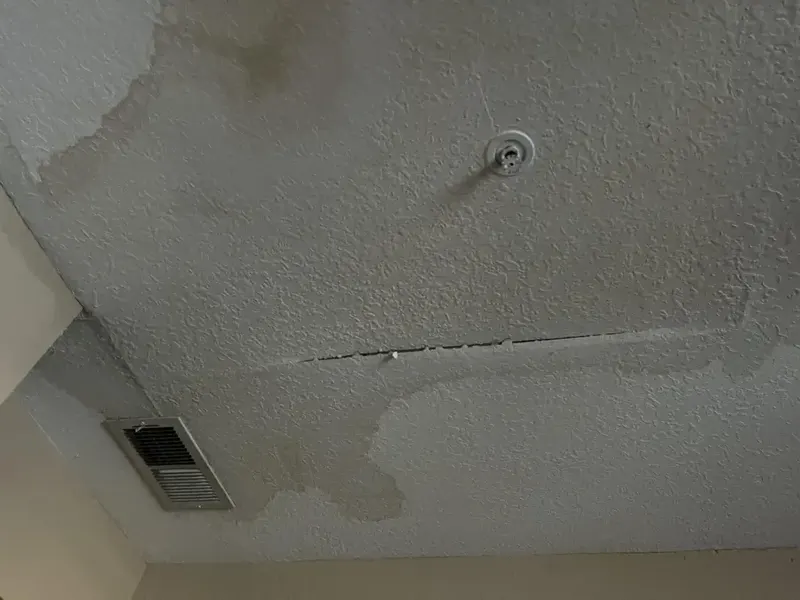 Ceiling Leak Water DamageSee the service
 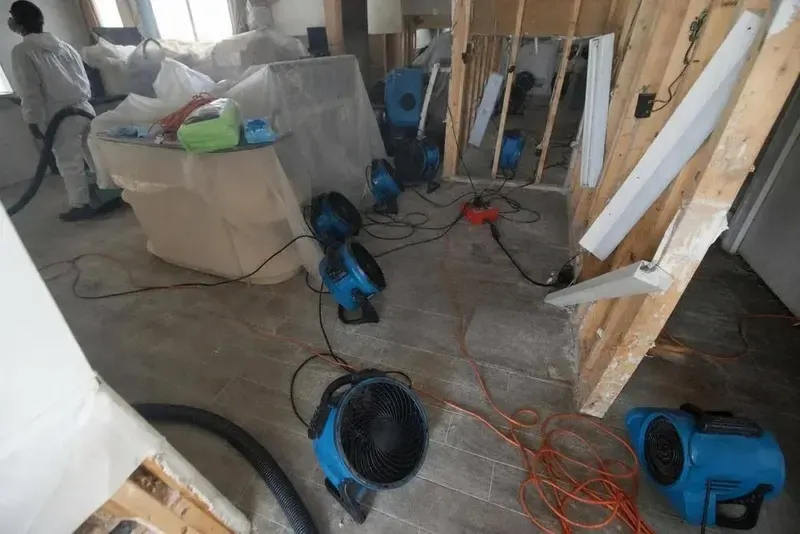 Structural Drying & DehumidificationSee the service
 Service area: Elmhurst, Queens
The Elmhurst restoration crew covers Elmhurst itself, from Broadway and Whitney Avenue to Queens Boulevard and Grand Avenue, with Jackson Heights, Corona, Rego Park, Maspeth, Middle Village and Woodside close by.
Every section and ZIP coveredA burst pipe in Elmhurst? Call now.
The restoration team extracts the water, finds where it traveled and dries every wall and floor it reached.