Sewage Backup Cleanup in Elmhurst, NY
Sewage coming up a cellar floor drain, a toilet or a tub is Category 3 water the moment it appears. The mitigation team contains the area, removes contaminated materials, disinfects with an EPA-registered antimicrobial and dries what remains.
(888) 527-9860Sewage in the cellar? Call right away- Category 3 protocol
- Containment and HEPA
- EPA-registered antimicrobial
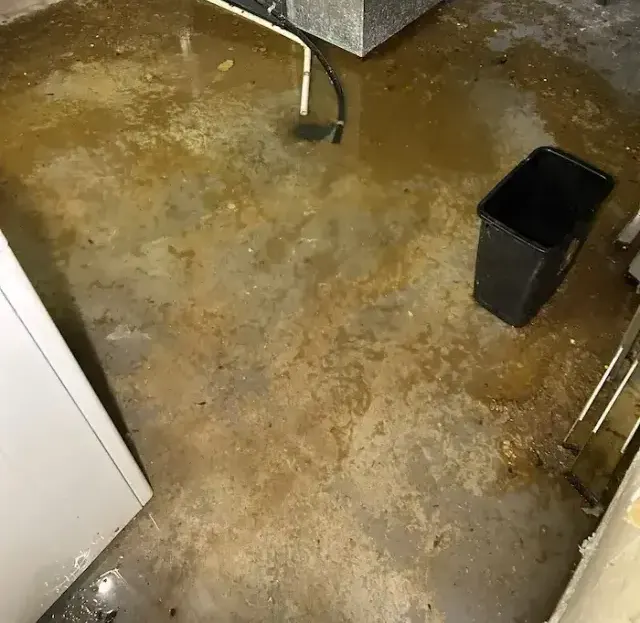
Sewage Backup Cleanup at a glance
What to do the moment you find sewage coming up a drain
- Stop using water
Do not flush, shower or run the washer. Every gallon goes back to the lowest drain.
- Keep people and pets out
Children, pets and anyone with a health condition stay away from the area.
- Do not mop it yourself
Sewage carries bacteria and viruses. Mopping spreads it across more surfaces.
- Photograph and call
Take photos of the drain and the water line, then call.
Most of Elmhurst drains into a combined sewer, one pipe that carries both sewage and storm runoff. In a heavy cloudburst that pipe can fill faster than it empties, and sewage backs up through the lowest opening in the building, usually the cellar floor drain. Blockages in the house sewer between the house trap and the street cause backups on dry days too.
What does sewage backup cleanup cost in Elmhurst, NY?
In Elmhurst, NY, sewage backup cleanup typically runs $2,500 to $14,000. The drivers are how far the sewage spread, whether the space is finished, how much drywall and flooring has to be removed, and the drying time.
Unfinished cellar, small area
$2,500 to $5,000
- Containment and extraction
- Disinfection
- Drying and readings
Finished basement
$5,000 to $9,500
- Drywall and flooring removal
- HEPA air scrubbing
- Antimicrobial treatment
Large or repeat backup
$9,500 to $14,000+
- Several rooms or units
- Full Category 3 protocol
- Complete claim documentation
Drivers: the water category, the square footage, the material class and how fast drying started. For a planning range, try the water damage cost calculator.
The Category 3 protocol
Sewage is Category 3 water, and the restoration team treats it that way from the first minute. Technicians wear protective gear, the area is sealed off with plastic containment, and HEPA air scrubbers run to capture airborne particles while work is under way.
- Standing sewage is extracted into the truck, not pushed across the floor.
- Carpet, pad, drywall, insulation and soft contents it touched are removed.
- Hard surfaces are cleaned, then treated with an EPA-registered antimicrobial left for its full dwell time.
Drying after the cleanup
Once contaminated materials are out and surfaces are disinfected, the drying team dries the framing, block and slab with LGR dehumidifiers and air movers. Readings are logged daily until materials meet the dry reference. Rebuilding waits until then.
Stopping the next one
After a backup, a plumber can camera the house sewer to find roots, a belly or a collapsed section, and can advise on a backwater valve where the building allows one. The NYC Department of Environmental Protection publishes advice for property owners on sewer backups. For health risks of damp and contaminated buildings, see the EPA indoor air quality pages.
If storm water came in through the door or stairs at the same time, the flash flood cleanup steps apply as well, and a lived-in unit follows the basement apartment process.
How sewage backup cleanup is handled in Elmhurst
- 1
Contain
The mitigation team seals the area with plastic and starts HEPA air scrubbers.
- 2
Extract and remove
The extraction crew removes the sewage and the team takes out porous materials it touched.
- 3
Clean and disinfect
Hard surfaces are cleaned and treated with an EPA-registered antimicrobial at its dwell time.
- 4
Dry and document
The drying team dries the structure and logs readings, photos and removals for the claim.
Sewage backup cleanup questions
01Why did sewage come up my floor drain?
Usually because the combined sewer in the street filled during heavy rain, or because the house sewer line is blocked by roots, grease or a broken section. The lowest drain in the building is where it shows up.
02Can I clean a sewage backup myself?
It is not recommended. Sewage carries bacteria and viruses, and porous materials it touched need to be removed, not wiped. Protective gear and containment matter.
03What gets thrown away after a sewage backup?
Carpet, pad, drywall and insulation it touched, plus mattresses, upholstered furniture, cardboard and paper. Hard items are cleaned and disinfected.
04Is a sewage backup covered by insurance?
Many policies exclude it unless a sewer backup rider was added. Coverage depends on your policy, so it is worth checking with your own insurer.
05How long does sewage cleanup take?
Removal and disinfection usually take one to two days, then drying takes three to five more for a typical cellar.
06Can a backup be prevented?
A plumber can inspect the house sewer and advise on a backwater valve. Keeping grease and wipes out of drains also helps.
Related water damage services in Elmhurst
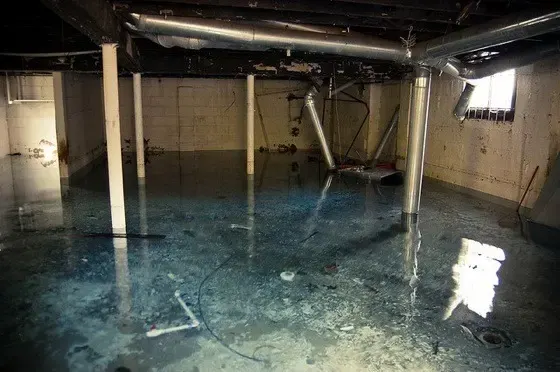 Basement Flooding CleanupSee the service
 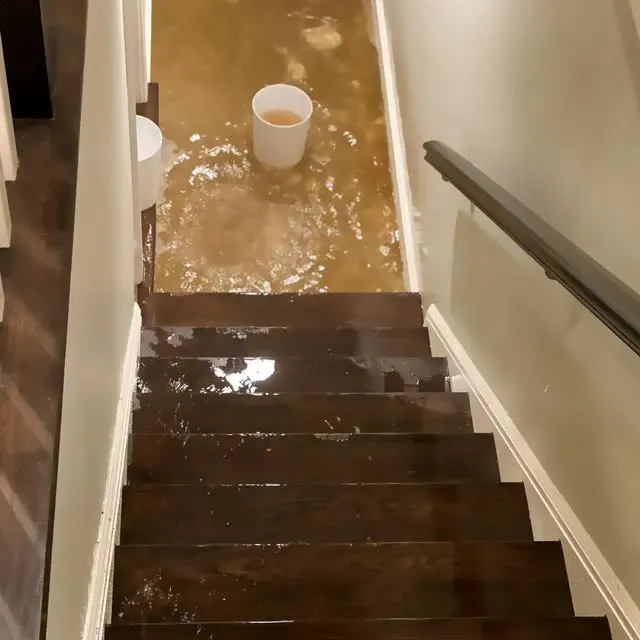 Flash Flood & Storm Water CleanupSee the service
 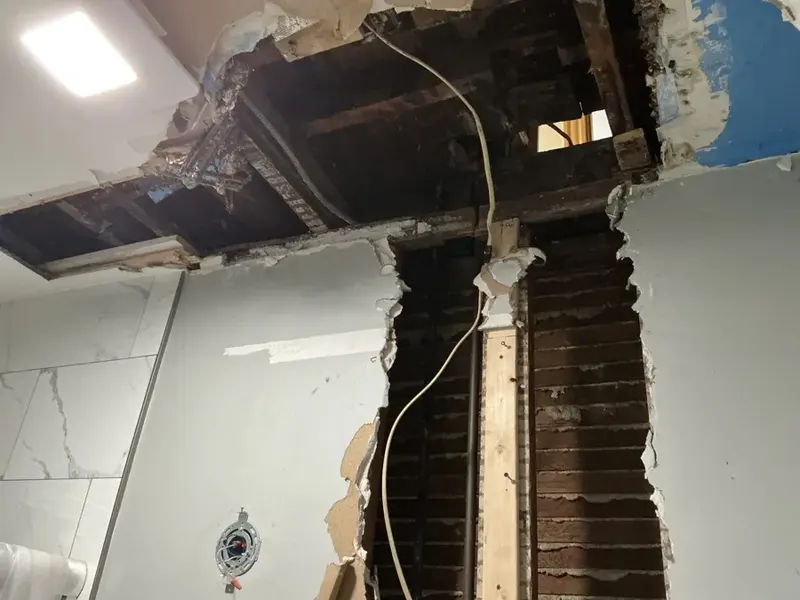 Riser & Waste Stack Leak CleanupSee the service
 Service area: Elmhurst, Queens
The Elmhurst restoration crew covers Elmhurst itself, from Broadway and Whitney Avenue to Queens Boulevard and Grand Avenue, with Jackson Heights, Corona, Rego Park, Maspeth, Middle Village and Woodside close by.
Every section and ZIP coveredSewage backing up in Elmhurst? Call now.
The mitigation team contains it, removes what it touched, disinfects and dries the space.